

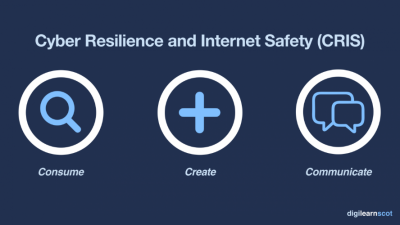
 We are spending an increasing amount of time learning, playing and socialising in online environments. In 2025, over 95 % of children aged 8–14 in the UK used the internet regularly, including via services such as YouTube and Google Search (Ofcom).
Our online behaviours fall into three categories, we:
- consume
- create
- communicate
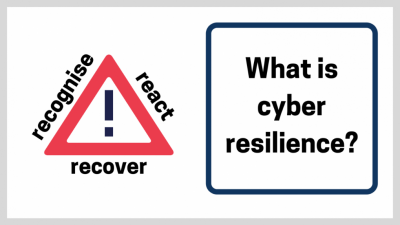
The Scottish Government states that “Cyber resilience is not just about responding to threats. It’s about building strength, confidence and continuity into every part of an organisation. It is not only about technology, but also about people: their awareness, skills and ability to respond effectively when things go wrong.” (Introduction – Cyber Resilient Scotland 2025 to 2030: strategic framework – gov.scot)
Features of cyber resilience include:
Young people and staff recognise and manage cyber risks
Schools and organisations can respond effectively to cyber incidents
Digital learning and public services are safe and resilient
Education settings manage their cyber risks confidently
Scotland supports skilled young people entering cyber security
(From Cyber Resilient Scotland 2025–2030 Strategic Framework. Cyber Resilient Scotland 2025 to 2030: strategic framework – gov.scot)
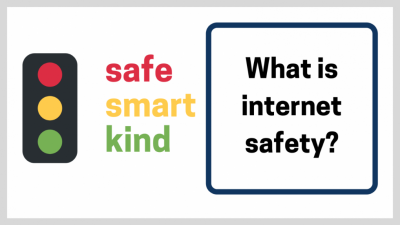 “We continue to work cooperatively in Scotland with a wide range of statutory and third‑sector organisations to promote positive behaviours online to our children and young people, and ensure they are equipped with the knowledge to stay safe and act when they encounter harm.”
(Online safety – call for action: Ministerial letter – gov.scot)
This is defined within these outcomes:
- Understanding age‑appropriate online opportunities and risks
- Recognising and responding safely to cyber risks or harmful content
- Knowing where to seek help and support online
- Developing resilience, confidence, and positive digital habits
- Having a voice in shaping safe online environments